
The label printing industry has quietly undergone a digital transformation. While the Zebra Programming Language (ZPL) remains the standard for printing on Zebra devices, writing correct commands can be tedious and error‑prone. Artificial intelligence (AI) is changing this landscape by assisting users in designing and validating labels. In this article, we explore how AI enhances label creation and why tools like ZPL.AI represent the future of intelligent printing.
What Does AI Bring to Label Design?
AI in label design combines pattern recognition, real‑time validation and user assistance. Traditional tools rely on manual coding: if you mistype a command or forget a parameter, the label won’t print correctly. AI can analyse your layout and code on the fly, flagging issues before they reach the printer. ZPL.AI’s platform incorporates real‑time syntax checking and AI‑powered guidance, meaning it catches missing commands, incorrect field sizes and incompatible barcodes.
Automating Repetitive Tasks
Repetitive label creation—such as generating hundreds of shipping labels—can consume hours of an employee’s time. AI automates much of this work. For example, ZPL.AI allows you to import data from Excel and print labels in bulk.. The system processes each row of data and populates the appropriate fields, saving both time and keystrokes. Developers can use the API to automate label generation directly from their applications.
Enhancing Accuracy and Compliance
Misprints cost money. An incorrectly formatted barcode may fail to scan, leading to shipment delays or regulatory fines. AI can reference industry standards and ensure labels meet compliance requirements. The guidance in ZPL.AI warns you if a barcode is too small or if text overlaps. This proactive feedback helps maintain quality assurance across large print runs.
Lowering the Barrier for Non‑Developers
One of the most significant benefits of AI is that it democratizes label design. You no longer need to understand commands like ^XA or ^FO50,50 to create a label. AI‑driven interfaces translate visual adjustments into the correct code behind the scenes. According to the ZPL.AI FAQ, even first‑time users can design, test and generate high‑quality labels without writing complex code.
Building Intelligent Workflows
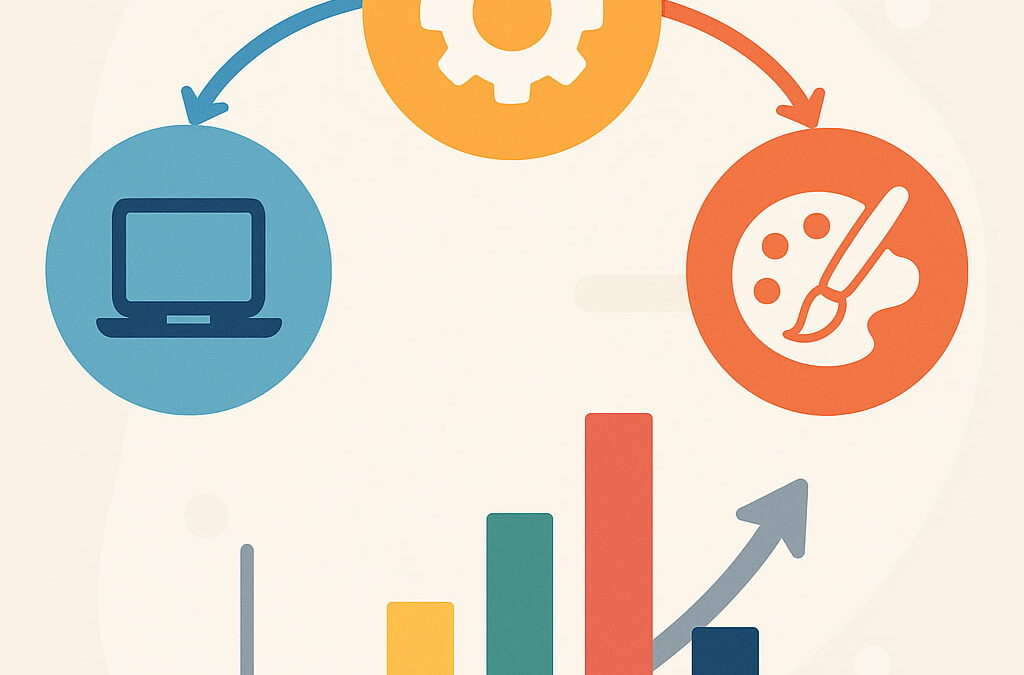
AI doesn’t just improve individual labels; it integrates with broader workflows. Modern solutions combine design, validation and printing with data sources, ERP systems and analytics. The ZPL.AI platform, for instance, offers powerful integrations and automated label suggestions to optimize productivity. As AI continues to evolve, we can expect predictive features that recommend template adjustments based on previous print jobs or industry best practices.
Conclusion
Artificial intelligence is transforming label creation from a manual, code‑heavy process into a smart and efficient workflow. By reducing errors, automating tasks and making design accessible to non‑developers, AI enhances productivity and quality. Businesses that embrace tools like ZPL.AI will find themselves ahead of the curve, enjoying faster throughput and fewer printing headaches.