
When a Desktop ZPL Viewer Makes Sense (Offline Work, Network Restrictions, IT Policies)

Cloud tools are convenient, but they’re not always allowed, practical, or reliable in the environments where labels actually matter. If you work in a warehouse, a manufacturing floor, or a locked-down corporate network, the best ZPL workflow is often the one that keeps files local, works offline, and plays nicely with IT policies. A desktop […]
ZPL Label Size Issues Explained: Fix Cut-Off Text, Scaling, and Wrong Dimensions (^PW, ^LL)
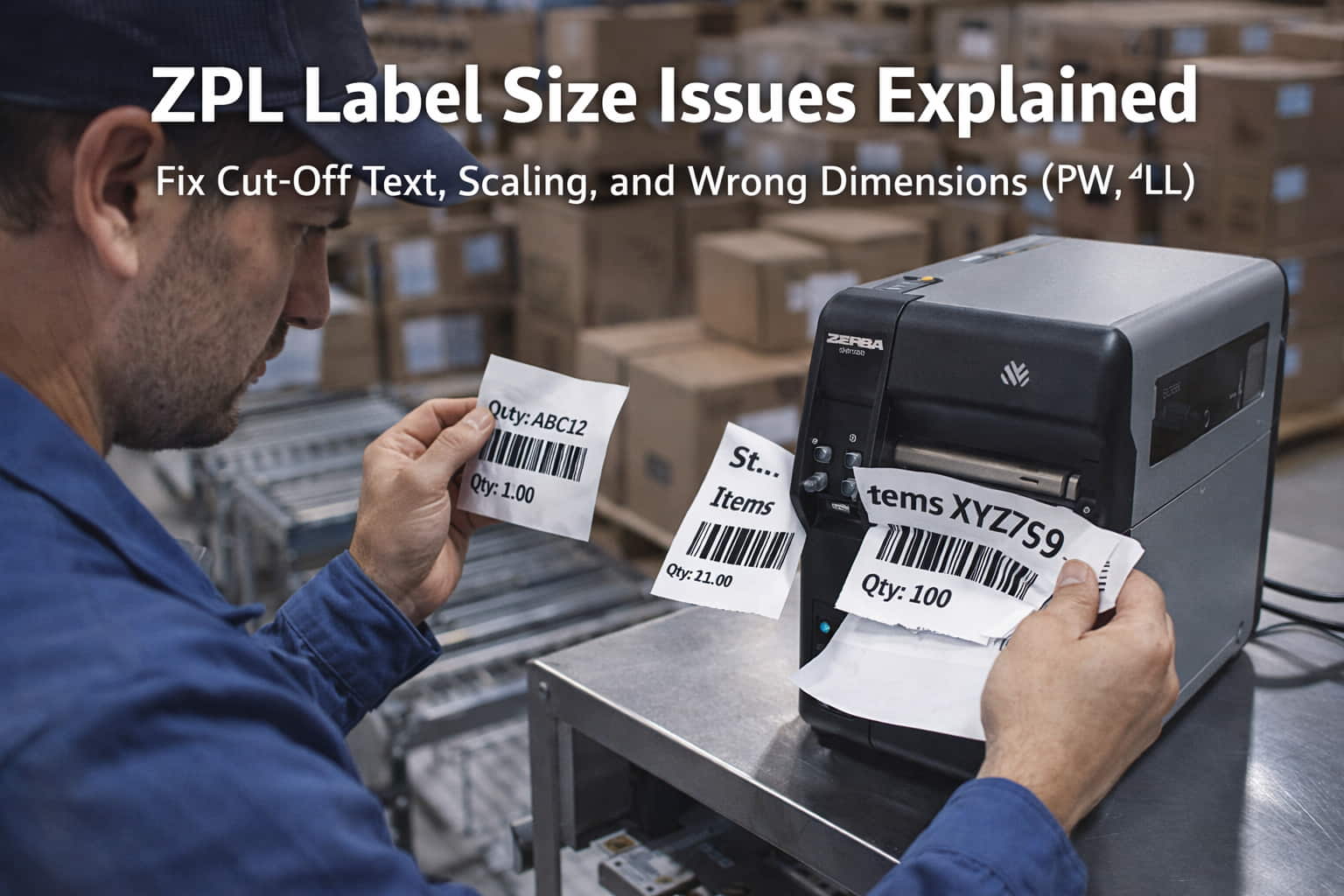
If your ZPL label looks fine in preview but prints with cut-off text, missing barcodes, or content shifted off the edge, the root cause is often simple: the printer and the label aren’t agreeing on dimensions. “Size issues” usually show up as clipping, unexpected scaling, or elements that drift after small edits. The good news […]
ZPL Label Templates: How to Build Reusable Labels Without Starting From Scratch
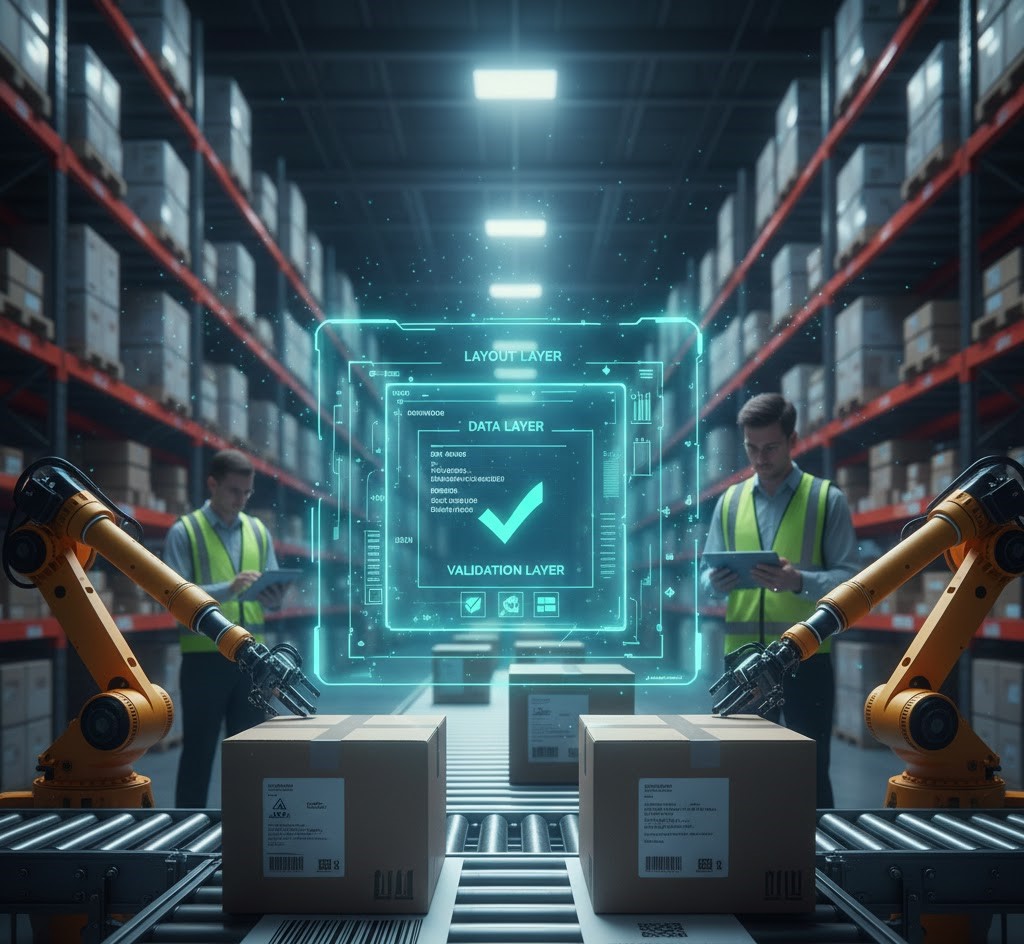
At first, ZPL labels are simple. Someone writes a label, tweaks it until it prints, and moves on. Then the business grows. New SKUs appear. More carriers and warehouses get involved. Different teams touch labeling. And suddenly, “just update the ZPL” becomes a weekly source of reprints, scanning issues, and fragile copy-paste fixes. Reusable label […]
ZPL Validation: A Practical Pre-Print Checklist to Catch Errors Before Shipping
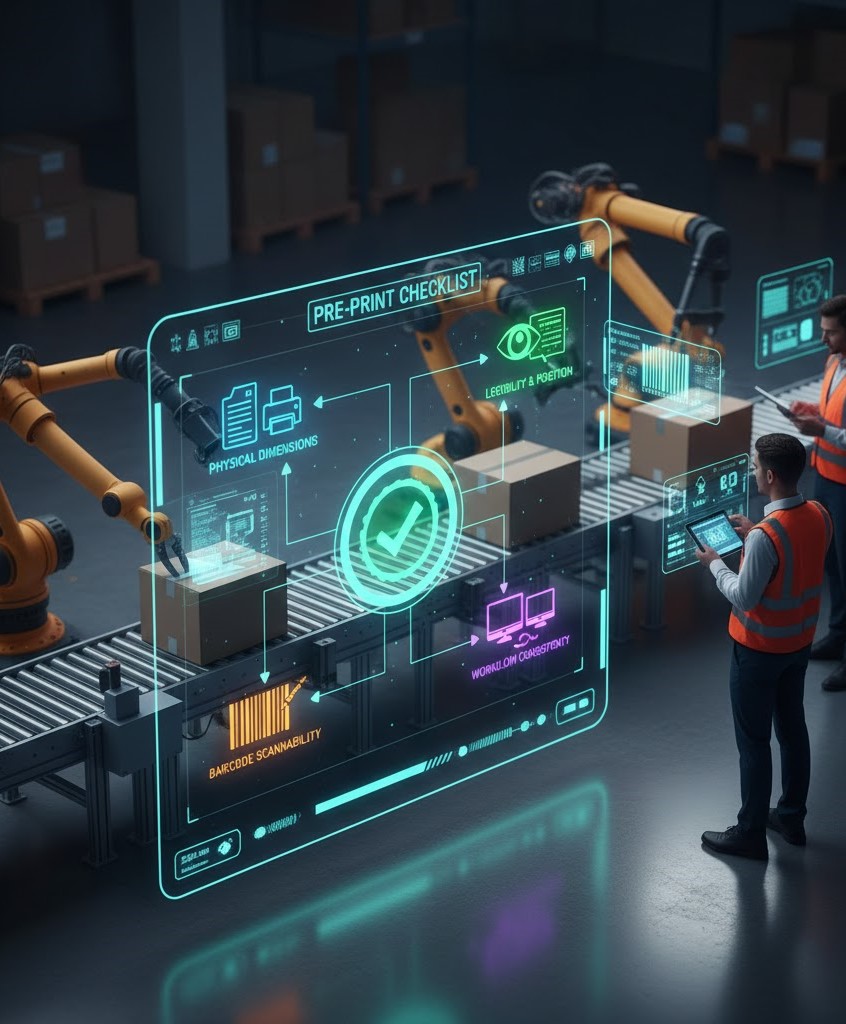
Most ZPL label problems aren’t “printer problems.” They’re workflow problems. The label was never validated in the same way it will be printed, and the first time anyone sees the real output is when the printer is already running. That’s how small issues turn into big costs: misaligned text, clipped content, rotated barcodes, wrong label […]
ZPL Viewer: Online vs Desktop vs Local Tools (How to Choose for Your Workflow)
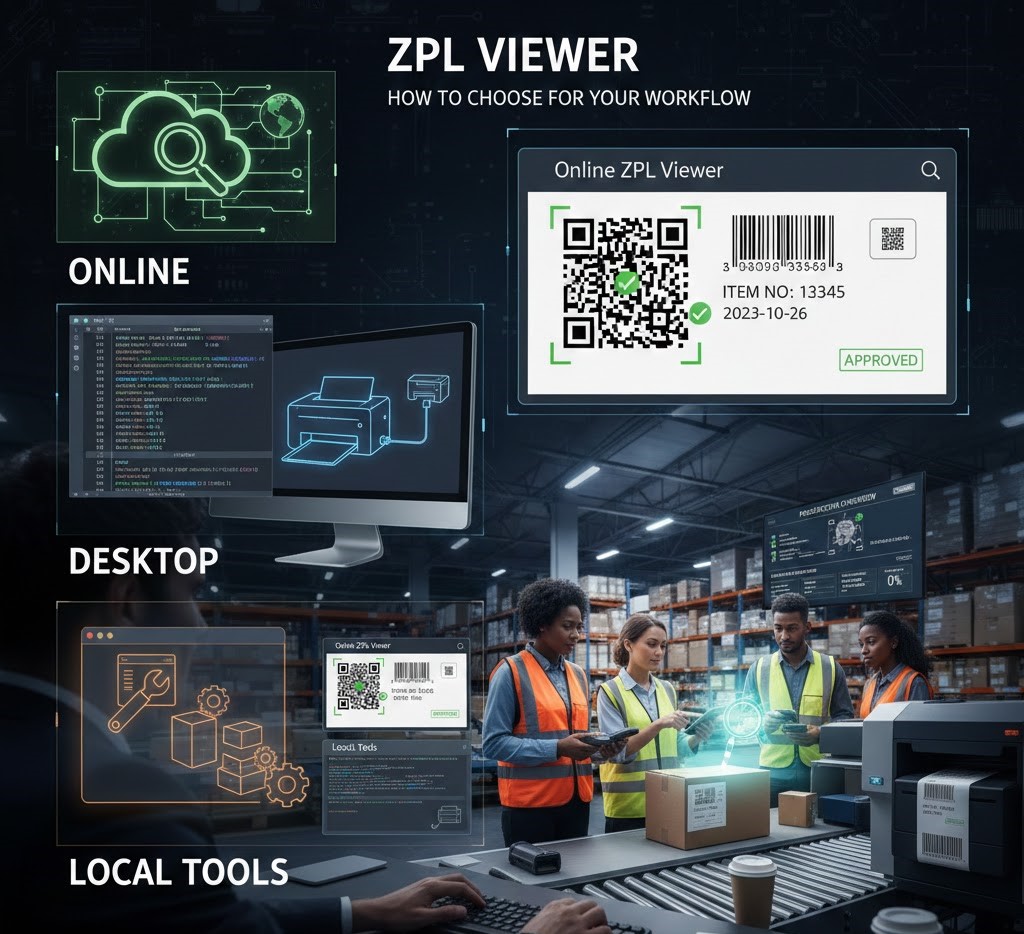
If you work with Zebra labels, you’ve probably had the same moment: the label looks fine in code, then it prints slightly off, rotated, clipped, or with a barcode that won’t scan. A ZPL viewer is the fastest way to catch those problems before they become reprints, delays, and support tickets. But “which ZPL viewer […]
Understanding ZPL II: The Evolution of Zebra’s Printing Language
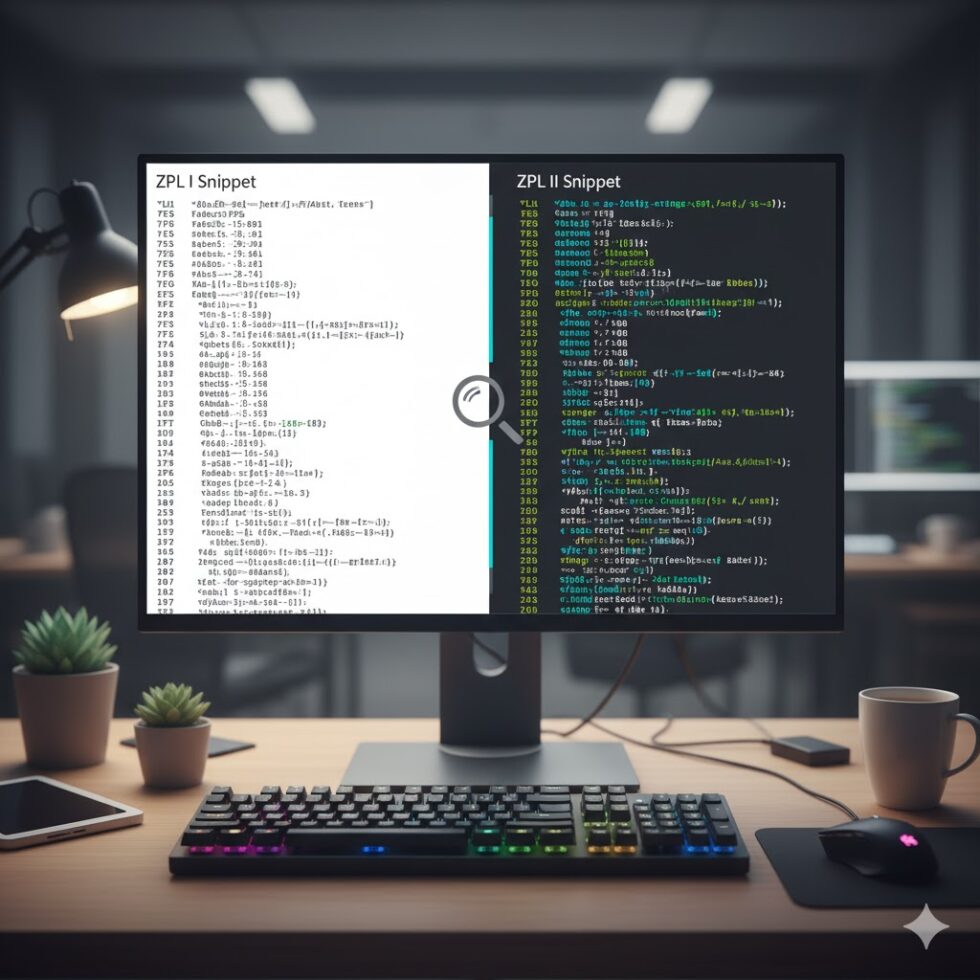
Zebra Programming Language (ZPL) has powered industrial label printing for over three decades. But when ZPL II arrived, it quietly revolutionized how businesses formatted, stored, and printed label data at scale. If you’ve ever worked with Zebra printers, you’ve probably seen “ZPL II” referenced in documentation or device settings — but what exactly sets it […]
ZPL Commands Reference: Essential Syntax and Practical Examples
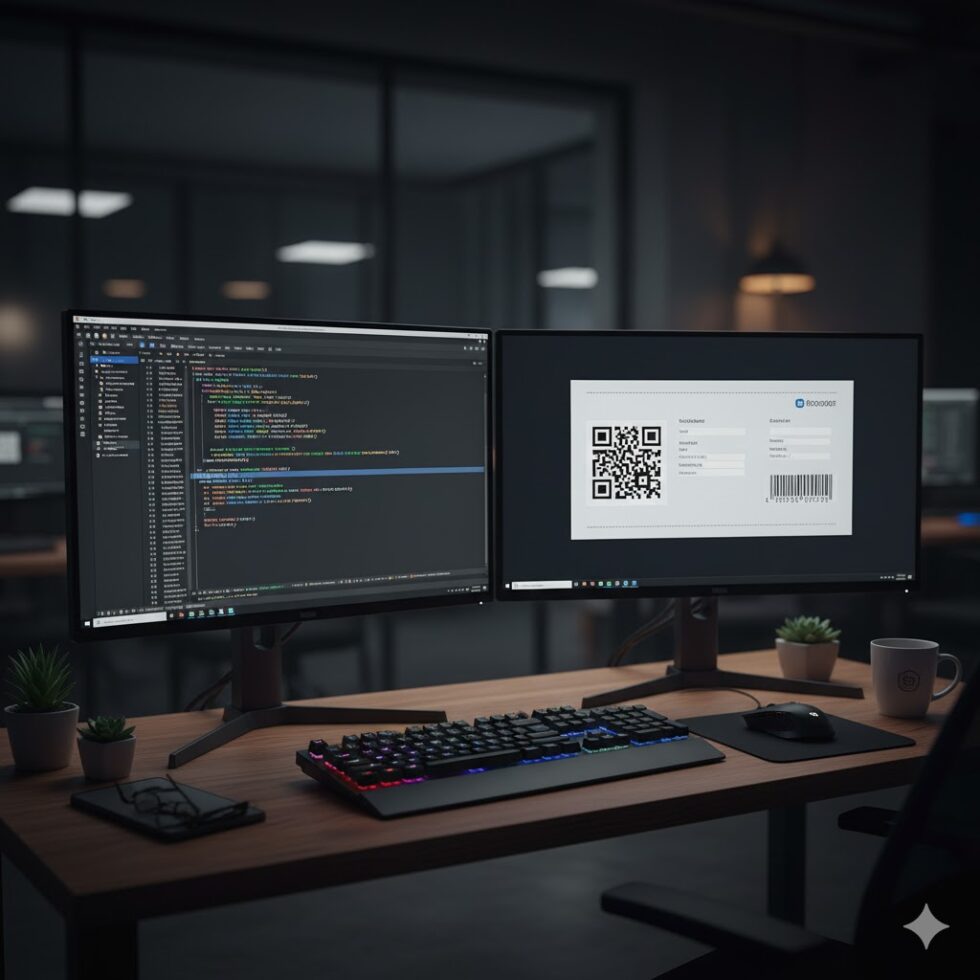
Zebra Programming Language, or ZPL, is a markup-style language that defines how text, barcodes, and graphics are printed on Zebra printers. Although it’s been around for decades, ZPL remains the industry standard for label automation — primarily because of its simplicity, precision, and compatibility across printer models. If you’ve ever found yourself digging through outdated […]
ZPL Validation for Compliance: How Companies Prevent Labeling Errors Before They Happen
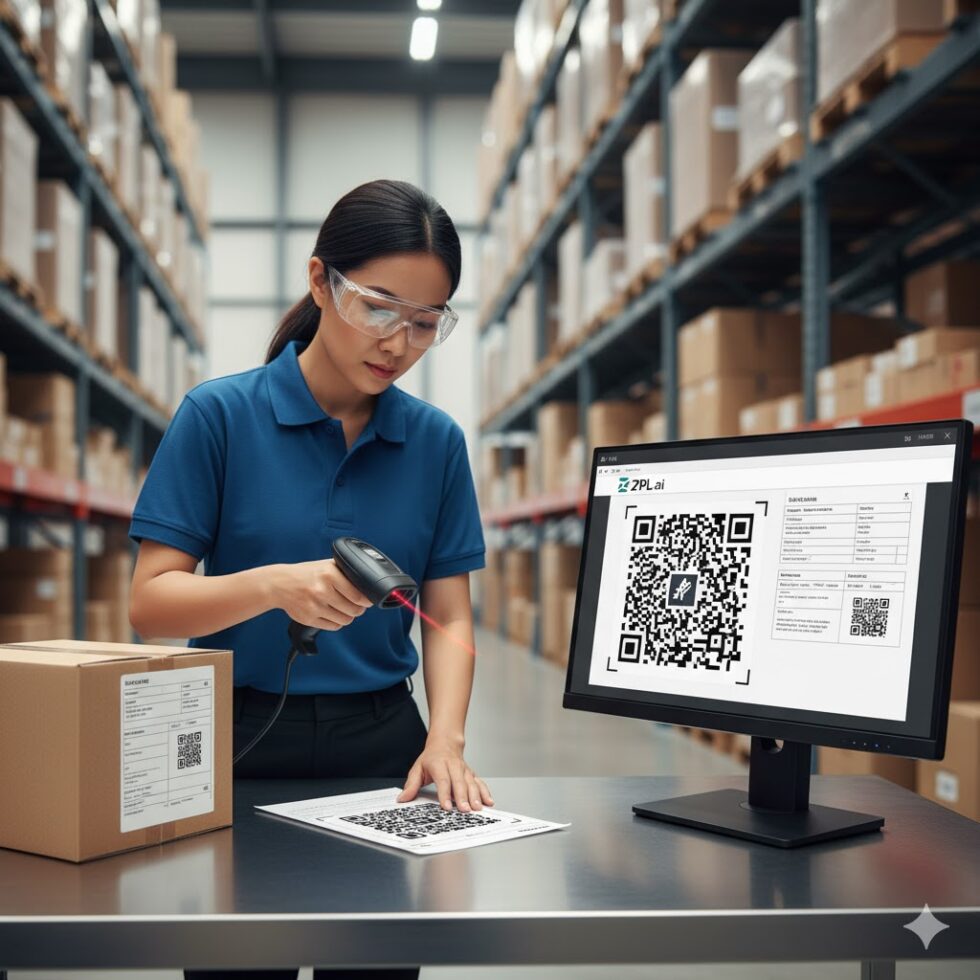
In regulated industries, compliance isn’t just a checklist — it’s a constant state of readiness. Whether you’re labeling pharmaceuticals, food products, or electronics, a single misprint can trigger recalls, fines, or lost trust. This is why ZPL validation has become an essential part of modern compliance workflows. Companies are no longer waiting to discover labeling […]
How Retailers Use ZPL for Traceability and Compliance

Retail today is more than selling — it’s about visibility. From the moment a product leaves the manufacturer to the second it’s scanned at checkout, retailers must track every step. Traceability ensures authenticity, prevents counterfeits, and strengthens consumer trust. And at the center of it all? Labels. For many global brands, those labels are powered […]
How E-Commerce Startups Save Hours Weekly with ZPL.ai

E-commerce startups often operate at the edge of chaos — orders pouring in, customers expecting same-day shipping, and small teams juggling every detail from fulfillment to returns. In this environment, printing labels shouldn’t be a bottleneck. Yet for many startups, it still is. Between inconsistent label formats, slow local simulators, and error-prone manual setups, label […]